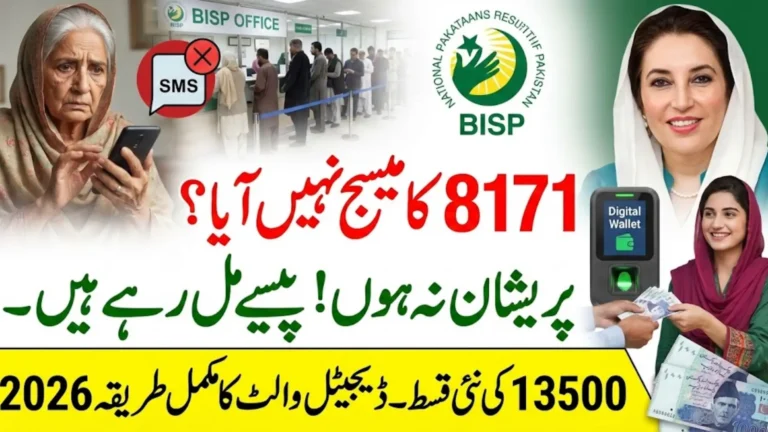
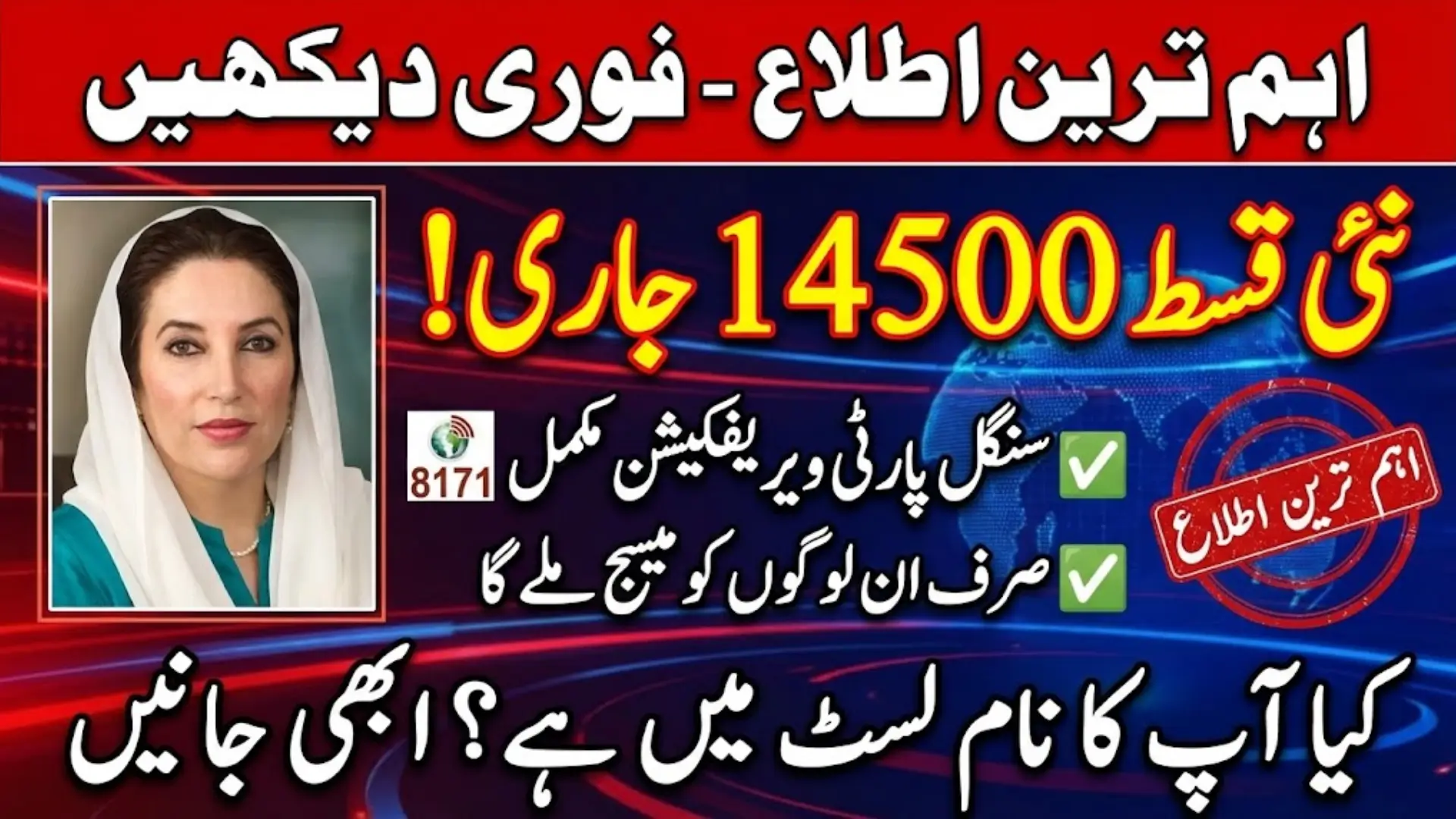
8171 Official SMS Update: Everything You Need to Know About Rs 14,500 Payment in 2026
Last Tuesday, my neighbor rushed to my door, phone in hand, asking if the message from 8171 was real. She wasn’t alone. Across Punjab and beyond, thousands of families received the 8171 official SMS update announcing Rs 14,500 payments. Some celebrated, others hesitated, worried about scams they’d heard about online.
If you’re reading this at eBiz Punjab, you’re probably in the same boat. You want straight answers without the runaround. Let’s break down what this SMS actually means, who gets it, and how to avoid getting tricked by fake messages flooding WhatsApp groups.
What Does the 8171 SMS Actually Say?
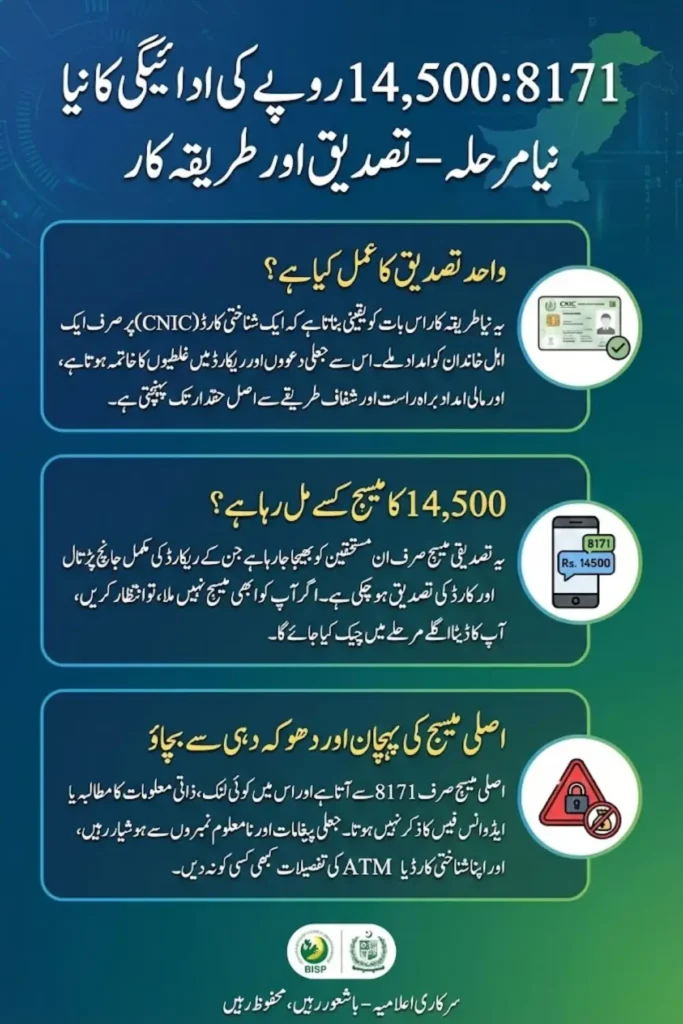
The genuine message is short and direct. It confirms that your payment of Rs 14,500 has been approved after verification. There’s no drama, no links to click, and definitely no request for your CNIC or bank details.
Here’s what makes it official:
- Sender ID shows exactly “8171”
- Message mentions payment amount clearly
- No threatening language or urgent deadlines
- Zero attachments or suspicious links
Anything different? Delete it immediately.
Why Payments Are Coming Now
The government didn’t just wake up one day and decide to send money. This release follows months of backend work called single-party verification. Think of it as cleaning house before guests arrive.
Officials had to:
- Remove duplicate entries where one family registered multiple times
- Match CNIC records with actual household data
- Filter out inactive or incorrect mobile numbers
- Cross-check beneficiary lists against updated poverty scorecards
This process took longer than anyone wanted, but it reduced errors dramatically. People who qualified under the PSER online registration system saw faster processing because their records were already digitized.
Who’s Getting the Rs 14,500 Payment?
Not everyone receives this payment at once. The system works in phases, prioritizing certain groups based on verification completion status.
Current beneficiaries include:
- Families whose biometric verification cleared without issues
- Applicants with updated mobile numbers on file
- Households that completed their documentation during the last registration window
- Previous recipients whose records remained conflict-free
If your card got verified recently, expect your SMS within 10-15 days. The system doesn’t follow a first-come-first-served approach—it releases payments as verification batches complete.
| Verification Status | Expected SMS Timeline | Action Required |
|---|---|---|
| Fully cleared | 5-10 days | Wait for SMS |
| Under review | 15-20 days | Check status online |
| Data mismatch | 30+ days | Visit nearest center |
| Duplicate entry | Pending resolution | Contact helpline |
How Single-Party Verification Changed Everything
Before this system, the same household could appear in records three different ways—different spellings, outdated addresses, or multiple registrations under relatives’ names. That created chaos during payment distribution.
Single-party verification fixes this by:
- Linking one CNIC to one verified household
- Eliminating ghost beneficiaries who existed only on paper
- Ensuring funds reach actual needy families
- Reducing complaints about missing or delayed payments
Similar programs like the 9999 Ramzan Relief Scheme now use the same verification backbone, which is why you might notice smoother processing across different aid programs.
Spotting Fake 8171 Messages (They’re Everywhere)
Here’s where things get messy. For every real SMS sent, at least five fake ones circulate through social media. I’ve personally seen messages claiming instant payments if you “click here” or “call this number.”
Red flags that scream FAKE:
- Any sender ID other than 8171
- Messages demanding personal information
- Links asking you to “verify” or “update” details
- Promises of double payments or bonus amounts
- Threats that your payment will cancel if you don’t act now
Real government payments never operate through pressure tactics. If something feels off, it probably is.
| Element | Official 8171 SMS | Fake Message |
|---|---|---|
| Sender | 8171 only | Random numbers |
| Tone | Informative, calm | Urgent, threatening |
| Links | Never included | Often present |
| Requests | None | Asks for CNIC/PIN |
What to Do After Getting the Real SMS
Receiving the message is just step one. Here’s what comes next:
Immediate actions:
- Screenshot the SMS for your records
- Don’t share it publicly on social media
- Wait for official payment date announcement
- Keep your original CNIC handy
- Avoid visiting collection centers before receiving collection instructions
Most people make the mistake of rushing to payment points the moment they get the SMS. That causes unnecessary crowds and long wait times. The message confirms eligibility—it doesn’t mean the cash is ready for pickup that same day.
Common Mistakes People Make
From what I’ve observed talking to actual beneficiaries, these errors happen repeatedly:
- Comparing your SMS timing with neighbors (everyone’s verification schedule differs)
- Trusting social media posts over official communication
- Sharing CNIC copies with “helpful” strangers who promise faster payments
- Visiting multiple centers hoping one will pay out immediately
- Believing rumors about payment cancellations
The system works systematically. Patience beats panic every single time.
When Will You Actually Get the Money?
After receiving the 8171 SMS, typical payment timelines look like this:
- SMS received → 3-7 days → Payment schedule announcement
- Schedule announced → 2-5 days → Collection window opens
- Collection opens → Visit designated center with CNIC
- Verification at center → Receive payment on the spot
If you registered through PSER registration portal, your collection point should match your registered district. Going to a different location won’t work—the system locks payments to specific centers based on your address.
What If You Haven’t Received the SMS Yet?
Not getting the message doesn’t automatically mean rejection. Many verified beneficiaries are still waiting as the system processes remaining batches.
Possible reasons for delay:
- Your verification completed recently and hasn’t reached the payment queue yet
- Minor data discrepancies requiring manual review
- Your mobile number on file doesn’t match current number
- System processing your area in a later phase
Check your status through official channels before assuming the worst. Most delays resolve within the next payment cycle.
| Situation | What It Means | Next Step |
|---|---|---|
| No SMS after 30 days | Verification incomplete | Visit center with CNIC |
| SMS but no payment date | Processing stage | Wait for announcement |
| Payment date passed | Technical delay | Contact helpline |
| Multiple family members got SMS | Data error | Report immediately |
Protecting Yourself from Payment Scams
Scammers evolve their tactics faster than most people can keep up. They know desperation makes people vulnerable. Here’s your defense strategy:
- Never pay anyone for “faster processing”
- Government programs don’t charge service fees
- Don’t trust middlemen claiming inside connections
- Official staff won’t contact you asking for money
- Real payment instructions come via 8171 SMS only
If someone approaches you claiming they can expedite your payment for a small fee, walk away. Those are thieves exploiting your need.
Frequently Asked Questions
Can I receive the 8171 official SMS update if I didn’t register recently?
Yes, if you registered during any previous enrollment period and your data passed verification, you’ll receive the SMS when your batch is processed. Registration doesn’t need to be recent—it needs to be valid.
What should I do if I get two different messages from 8171?
Contact the official helpline immediately. Duplicate messages usually indicate a system error that needs correction before payment processing. Don’t attempt collection with conflicting information.
Does everyone in my family get separate Rs 14,500 payments?
No, payments go to one verified head of household per family. Multiple family members receiving individual payments suggests a verification error that must be reported.
How long does the SMS remain valid for payment collection?
Most payment windows stay open for 15-30 days after the collection date announcement. Missing this window means waiting for the next payment cycle.
Can I collect payment at any center or only at a specific location?
You must visit the center assigned to your registered address. The payment system links your CNIC to a specific location—attempting collection elsewhere will fail verification.
Final Thoughts
The 8171 official SMS update brings real relief to families who genuinely need financial support. But it also attracts scammers looking for easy targets. Stay informed, trust only official communication, and never let urgency cloud your judgment.
Your payment is coming—just make sure you’re following the right path to claim it.