
9999 Ramadan Relief Package Update 2026: Complete Registration & Payment Guide
Ramadan brings spiritual blessings, but for many Pakistani families, it also brings financial worries. Grocery prices shoot up, utility bills pile high, and managing Sehri and Iftar becomes a daily challenge for households already struggling to make ends meet.
This year, the government has stepped up with the 9999 Ramadan Relief Package to help families observe the holy month without sacrificing their dignity or breaking their budget. With Ramadan 2026 expected to start on February 19, millions of deserving citizens are waiting to learn if they qualify for this critical support.
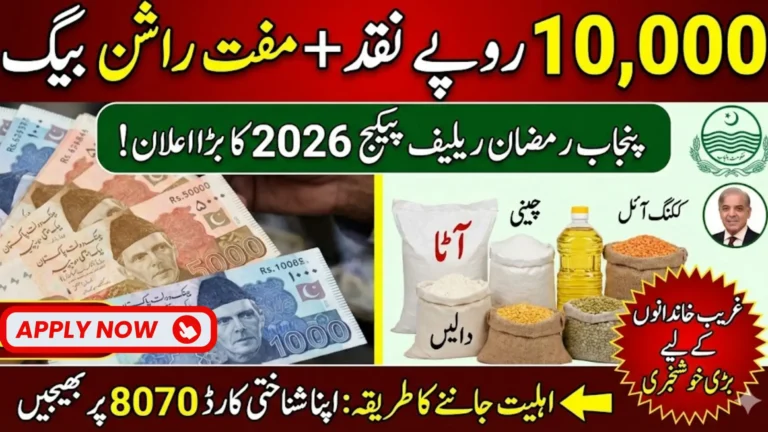
The relief program offers direct cash assistance ranging from Rs 5,000 to Rs 10,000, depending on your location and eligibility status. What makes this initiative different is its simple SMS-based registration system that lets you apply from home without standing in long queues or filling complicated forms.
What Makes the 9999 Ramadan Package Different This Year
Unlike previous years when ration bags were distributed through utility stores, the 2026 package focuses on cash transfers through digital wallets. Prime Minister Shehbaz Sharif personally directed authorities to ensure payments reach beneficiaries with full respect and dignity.
The shift to digital payments means families can spend money according to their actual needs rather than accepting fixed ration items that might not suit their household requirements. Whether you need to buy medicine, pay electricity bills, or purchase specific grocery items, the choice stays in your hands.
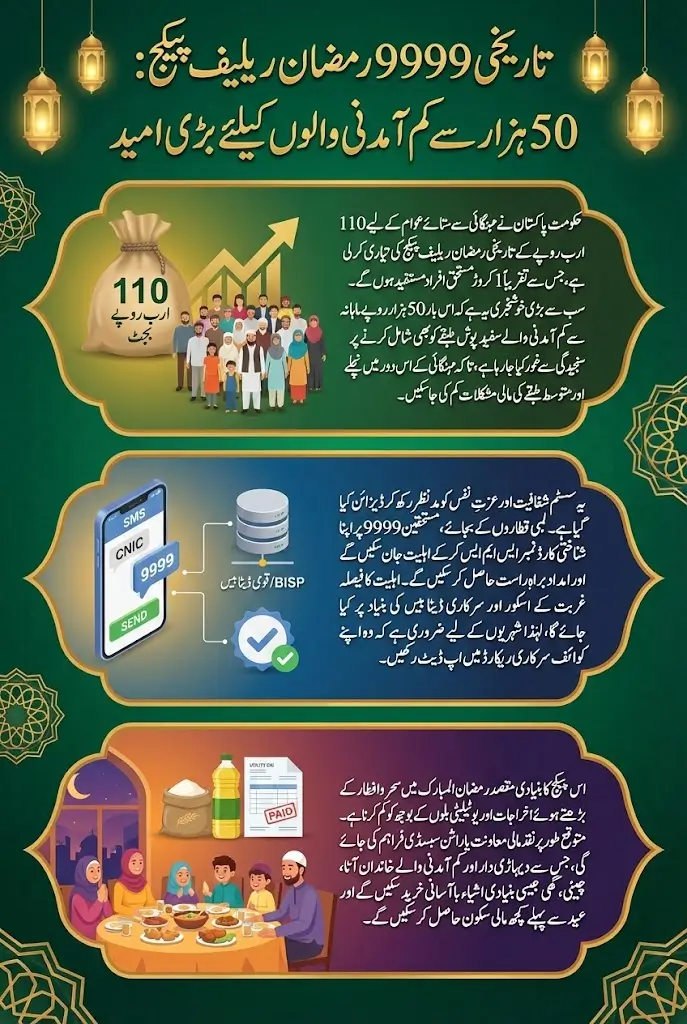
According to recent government announcements, around four million families across Pakistan will benefit from this program. The federal government provides Rs 5,000 per eligible household, while Punjab residents receive an additional Rs 5,000 from the provincial government, bringing their total support to Rs 10,000.
Who Can Apply for the Relief Package
Eligibility for the 9999 Ramadan package depends on verified data from government welfare databases, including BISP records, Punjab Social Economic Registry (PSER), and National Socio-Economic Registry (NSER). The system prioritizes families facing genuine financial hardship.
Priority groups include:
- Families earning less than Rs 50,000 monthly
- Daily wage workers and laborers
- Widows and single-parent households
- Persons with disabilities
- Households without stable income sources
- Families already registered in BISP or similar welfare programs
One important point: if you already receive government salary or pension, you typically won’t qualify. The package targets citizens who genuinely struggle to meet basic living costs and don’t have access to regular government benefits.
How to Register Through SMS System
The registration process takes less than two minutes. Here’s exactly what you need to do:
Open your mobile phone’s messaging app. Type your 13-digit CNIC number without any dashes or spaces. Send this message to 9999. Wait for a confirmation reply that tells you about your eligibility status.
The reply message will inform you whether you qualify and provide next steps for receiving payment. If you’re eligible, you’ll get details about collection centers or digital wallet activation.
Make sure the SIM card you use is registered under your own CNIC. Using someone else’s phone number can create verification issues and delay your payment.
Payment Distribution Methods Explained
The government has introduced multiple payment channels to ensure smooth distribution:
Digital Wallets: Eligible families receive money directly in digital wallets linked to their mobile numbers. This method works through partnering banks and mobile money services like JazzCash.
Bank Cheques: Some beneficiaries get Punjab Bank cheques delivered to their homes. You can cash these at designated bank branches.
HBL Connect Centers: Habib Bank Limited operates authorized payment points where verified beneficiaries can collect cash after biometric verification.
For families in remote areas, government representatives may arrange doorstep delivery to avoid travel difficulties during Ramadan.
Understanding Punjab’s Additional Support
Punjab residents get extra help through Chief Minister Maryam Nawaz’s Nigehban Ramzan Package. This provincial initiative adds Rs 5,000 on top of federal assistance, recognizing the higher cost of living in densely populated areas.
The Punjab package combines cash support with essential ration items delivered door-to-door in some districts. Items typically include flour, rice, sugar, cooking oil, lentils, and dates—all Ramadan essentials that families need most.
Registration for Punjab-specific support happens through the PSER portal or by sending your CNIC to 8070. The provincial system runs parallel to federal programs, giving residents double coverage opportunities.
Timeline and Important Dates
Based on astronomical calculations, Ramadan 2026 is expected to begin on February 19 after the Shaban moon sighting on February 18. The first fast will likely fall on Thursday, February 19, though official confirmation comes from the Central Ruet-e-Hilal Committee.
Payment distribution typically starts two weeks before Ramadan to ensure families can shop for essentials and prepare for the month ahead. Government sources indicate that verified beneficiaries should receive their assistance by early February.
If you haven’t registered yet, do it immediately. While there’s no official deadline published at this time, processing takes several days for verification, so early registration works in your favor.
Common Registration Mistakes to Avoid
Many deserving families lose out on benefits due to simple errors:
Wrong CNIC Format: Always enter the full 13-digit number with no dashes, spaces, or extra characters.
Unregistered SIM Card: Using a phone number not linked to your CNIC creates verification failures.
Outdated Records: If your family data in government databases is incorrect or outdated, update it through your local Union Council office.
False Information: Providing incorrect income details or household data leads to automatic disqualification.
Ignoring Confirmation Messages: Some people register but don’t follow instructions in reply messages about document submission or biometric verification.
How the Poverty Score System Works
Pakistan uses a detailed scoring mechanism to identify deserving families. This Poverty Means Test (PMT) score evaluates multiple factors:
Your total household income from all sources gets assessed. Family size and number of dependents matter because larger households face higher expenses. Living conditions are reviewed, including housing type, access to utilities, and asset ownership.
Employment status plays a role—daily wage earners and contract workers receive priority over those with stable jobs. Health conditions and disabilities in the family can improve your eligibility score.
A lower PMT score indicates greater financial need and increases approval chances. The automated system reduces human interference and corruption in selection.
Why This Package Matters for Pakistani Families
For someone earning Rs 30,000 monthly and supporting a family of six, Ramadan expenses can double the usual budget. Between ingredients for Sehri and Iftar, increased electricity use, children’s school fees, and Eid preparations, the pressure becomes unbearable.
The relief package doesn’t solve every problem, but it provides breathing room. Rs 5,000 buys enough flour, sugar, and cooking oil to reduce grocery stress significantly. For Punjab families receiving Rs 10,000, that amount can cover both food expenses and some utility bills.
Beyond the financial aspect, there’s emotional relief in knowing the government recognizes your struggle. Many recipients express that receiving help with dignity—through private bank transfers rather than public distribution lines—restores their sense of self-respect during a sacred month.
Checking Your Status Online
Besides SMS registration, you can verify eligibility through official web portals:
Visit pser.punjab.gov.pk for Punjab-specific programs. Enter your CNIC in the search box. Click “Check Status” to see your eligibility and payment details.
The website also shows your PMT score and explains why you qualified or got rejected. This transparency helps families understand the selection process and appeal decisions if needed.
For federal programs, updates appear on BISP’s official website and through their helpline services. Bookmark these resources for quick access during Ramadan preparations.
What Happens After You Receive Payment
Once money reaches your digital wallet or you collect your bank cheque, spend wisely to maximize impact:
Prioritize essential grocery items that your family consumes most. Buy in bulk where possible to avoid price fluctuations during peak Ramadan shopping days. Consider setting aside some amount for Eid clothing or gifts for children.
Don’t forget about Zakat al-Fitr, which becomes obligatory before Eid prayers. Plan your budget to include this religious obligation so you can fulfill it comfortably.
Some families pool their relief money with community members to buy wholesale from markets, getting better rates than retail shops. This collective approach stretches every rupee further.
Future of Ramadan Relief Programs
The 2026 package represents significant improvement in transparency and dignity compared to previous years. Digital payments reduce corruption and ensure money reaches intended recipients faster than traditional distribution methods.
Government officials have indicated commitment to expanding coverage in future years. The possibility of including families earning up to Rs 60,000 monthly is under discussion, recognizing that inflation affects the lower-middle class almost as severely as those below the poverty line.
As financial technology improves across Pakistan, expect even smoother payment systems in coming years. The goal is making relief automatic for verified families without requiring yearly registration hassles.
Comparison of Federal and Provincial Support
| Feature | Federal Package | Punjab Package |
|---|---|---|
| Cash Amount | Rs 5,000 | Rs 10,000 (including federal) |
| Registration | SMS to 9999 | SMS to 8070 or online portal |
| Eligibility Database | BISP/NSER | PSER |
| Payment Method | Digital wallet/Bank | Multiple channels |
| Additional Benefits | Cash only | Cash + Ration items |
Key Features of Relief Distribution
| Aspect | Details |
|---|---|
| Target Beneficiaries | 4 million families nationwide |
| Registration Method | SMS-based (9999 or 8070) |
| Verification Process | Biometric + Database matching |
| Payment Timeline | 2 weeks before Ramadan |
| Provincial Top-up | Available in Punjab (Rs 5,000 extra) |
Frequently Asked Questions
How do I know if I’m eligible for the 9999 Ramadan package?
Send your CNIC to 9999 via SMS. You’ll receive an immediate reply confirming your eligibility status based on government welfare databases. Families earning below Rs 50,000 monthly without government jobs typically qualify.
Can I apply if I’m already receiving BISP payments?
Yes, BISP beneficiaries often get priority for Ramadan relief packages since their financial status is already verified in government systems. Your existing BISP registration strengthens your application.
What’s the difference between the 9999 and 8070 packages?
The 9999 code is for federal Ramadan relief (Rs 5,000), while 8070 connects to Punjab’s provincial program offering additional Rs 5,000. Punjab residents can potentially benefit from both programs.
When will I receive my payment for Ramadan 2026?
Payments typically begin distributing two weeks before Ramadan starts. With Ramadan expected on February 19, look for payments in early February. Check your SMS and digital wallet regularly.
What should I do if my registration gets rejected?
First, verify that your CNIC and family data in BISP or PSER databases are current and accurate. Visit your Union Council office to update records if needed, then reapply through the SMS system.
The 9999 Ramadan Relief Package offers real support to families who need it most during the holy month. Don’t wait—send your CNIC to 9999 today and check if you qualify. With Ramadan approaching fast, early registration gives you the best chance of receiving timely assistance for your family’s needs.